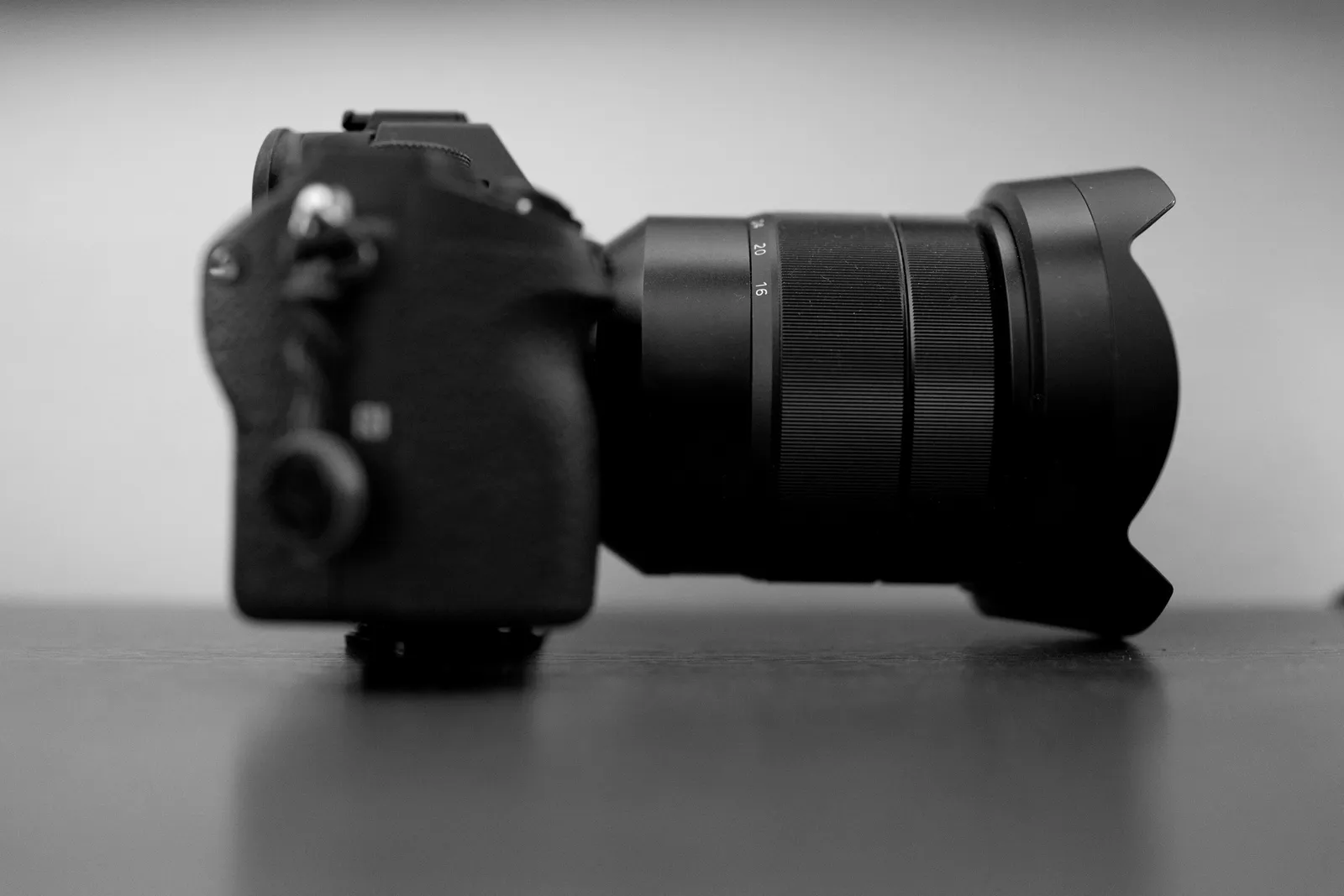
Every few months someone asks why a product photographer needs a hundred megapixels when almost everything we shoot ends up on a phone screen. It is a fair question. Most of my final images are delivered around 2,500 pixels wide. The answer has very little to do with the final size.
Cropping without guilt
A shop page needs the same product in five or six shapes: square for the grid, tall for phones, wide for the banner, tight for the detail. On a 100-megapixel file I can shoot one frame with a little room around the product and cut every one of those crops from it later. On a smaller file, the detail crop is where it falls apart.
Texture you can trust
Speckled glaze, brushed aluminium, the grain of vegetable-tanned leather. These are the things clients pay for, and they are the first things to turn to mush when a file is pushed. A big sensor records them as they are, so I keep sharpening to a minimum and let the material look like itself.
What it costs
It is not free. The files are huge, cards fill fast and a tethered session needs a quick laptop. Any shake shows, so the camera lives on a heavy tripod and every exposure is triggered from the computer. On a busy day we fill a two-terabyte drive.
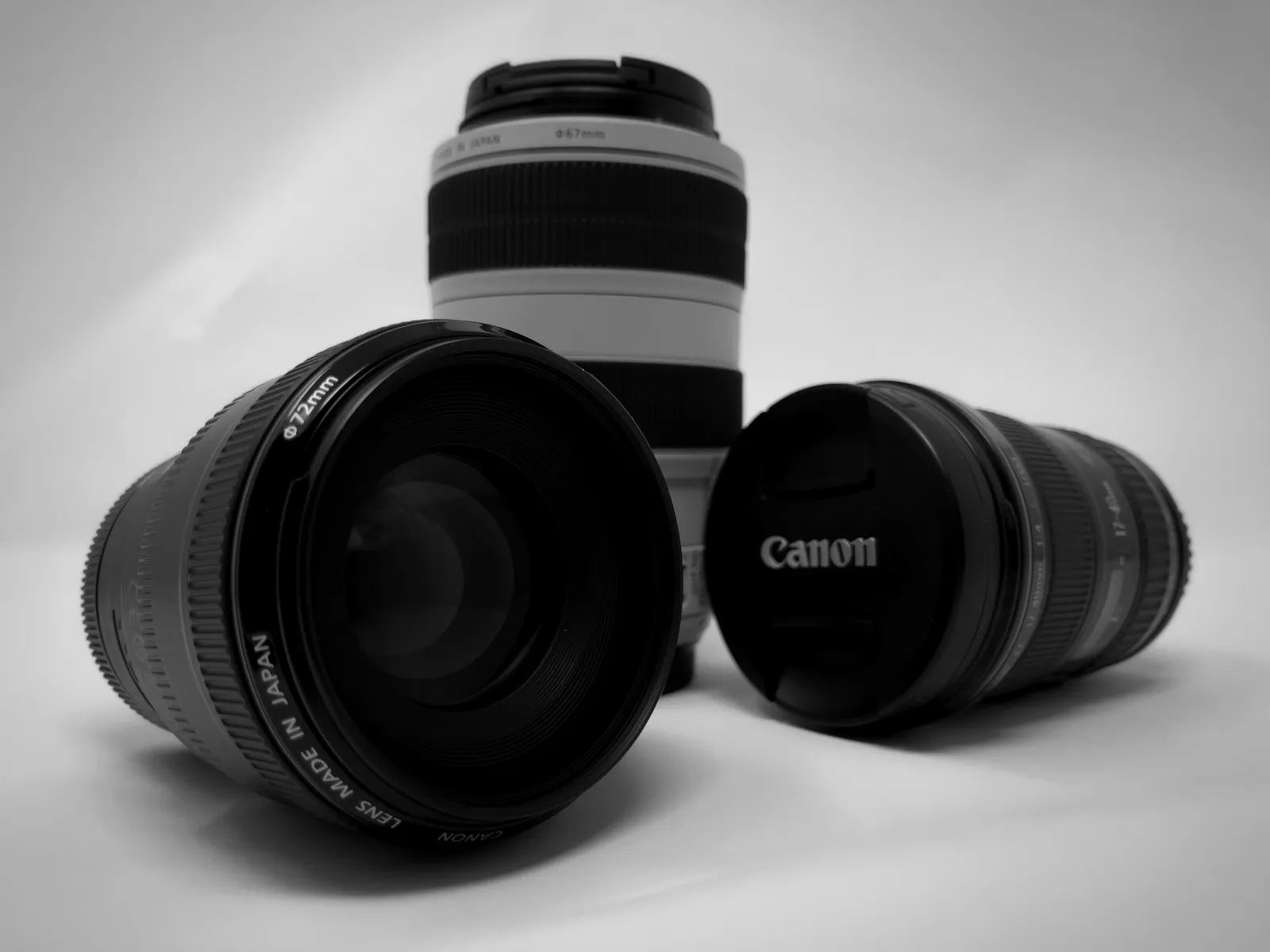
Lenses are the other cost. A sensor this dense shows every weakness, so I carry fewer lenses and better ones: the Sigma 105mm macro for nearly everything, and a 24-70mm for sets.
The camera does not make the picture. A good one just stops getting in the way.
When it stays at home
For film work and anything handheld on location I use the Canon EOS R5, which is lighter and quicker to focus. The big body stays in the studio, where it does its best work: still, tethered and pointed at something small.
Mateo LindPhotographer and founder of LeanIn