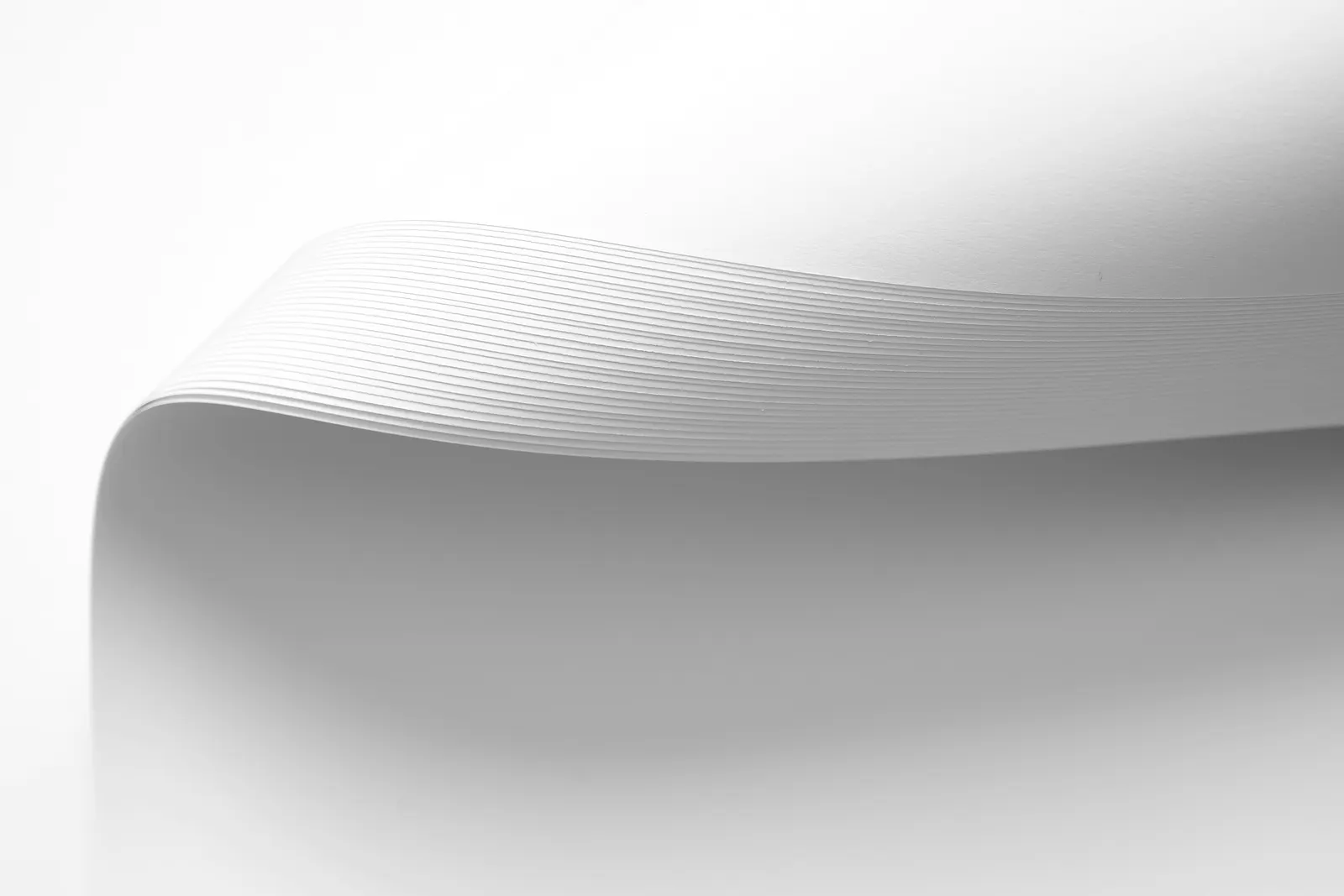
White porcelain on a white sweep is the brief that makes photographers nervous. Too much soft light and the product melts into the paper. Too much contrast and the whites turn grey and dirty. The good news is that the fix is small.
Separate with tone, not outline
Never cut a white product out and drop it onto pure white. The edges look pasted on. Instead, light the product a little brighter than the background. Half a stop is usually enough for the eye to see two surfaces where the camera only sees white.
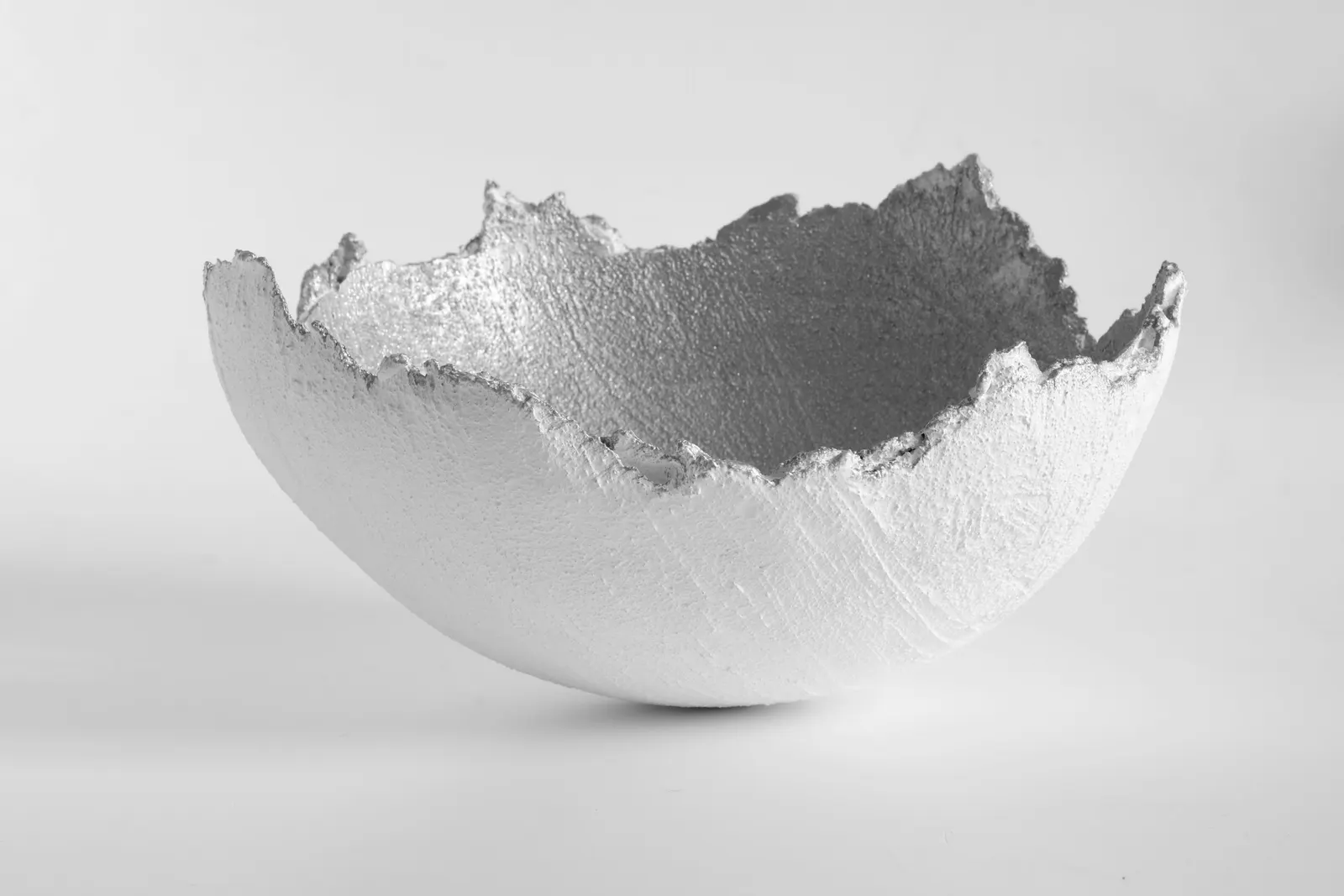
Let the shadow do the drawing
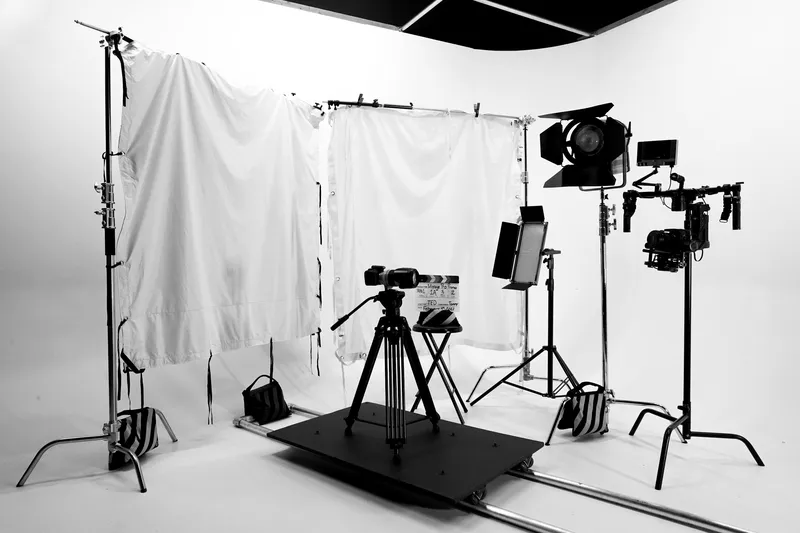
A soft shadow on one side is what tells you the shape of a vase or a bowl. We use one large source from the front left and let the shadow fall right and slightly back. If the shadow is too hard, move the light closer. If it is too faint, move it further away or flag the fill.
Expose for the product
Set exposure for the brightest part of the product, not the paper. Watch the highlights on the tether screen and stop just before the glaze loses its texture. The background will look a touch grey on screen and read as clean white once the page around it is white.
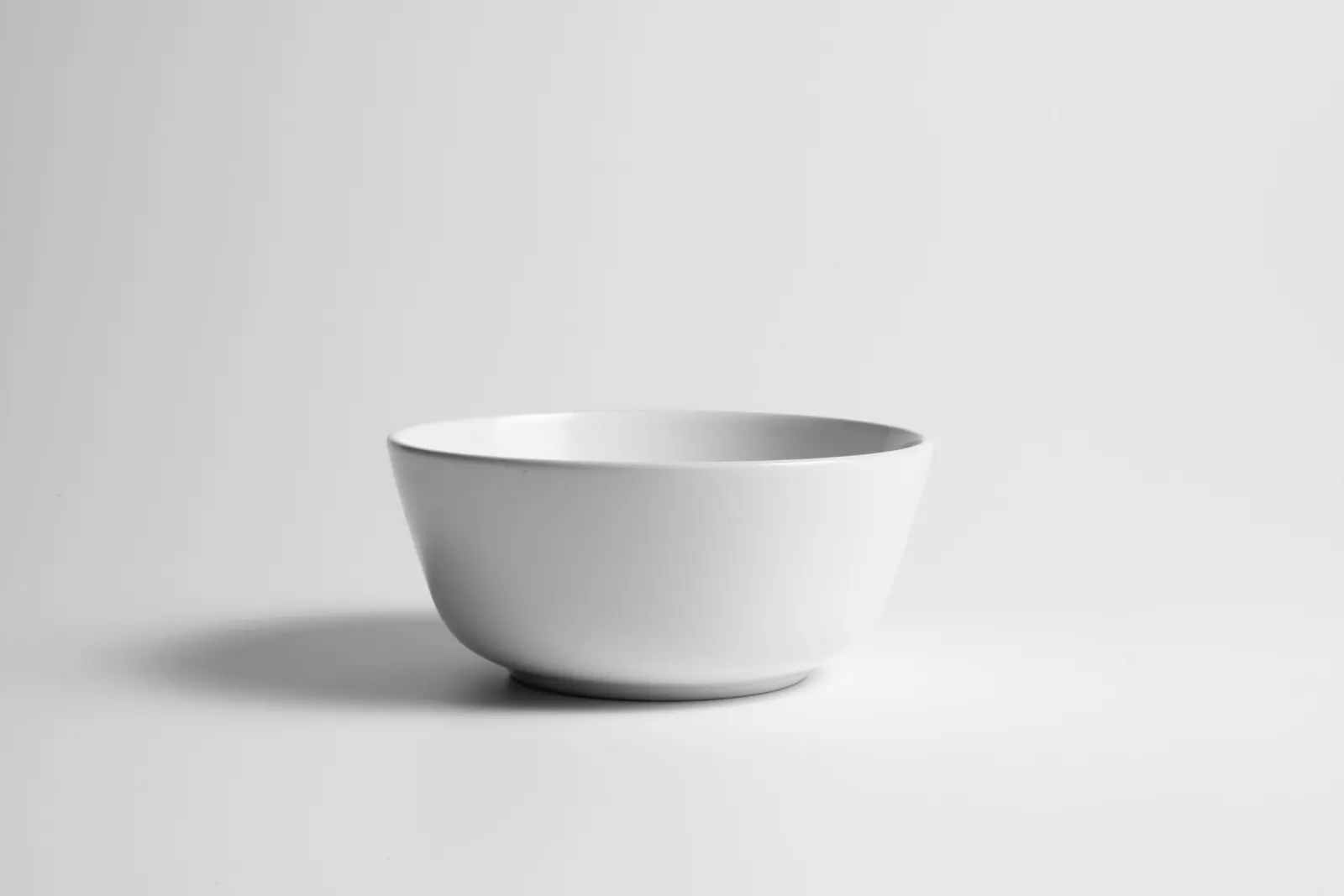
If the product and the paper are the same brightness, the camera cannot tell them apart. Neither can your customer.

Mateo LindPhotographer and founder of LeanIn